
Whilst Coral Bleaching awareness month was all the way back in November, the need for awareness continues no matter the month!
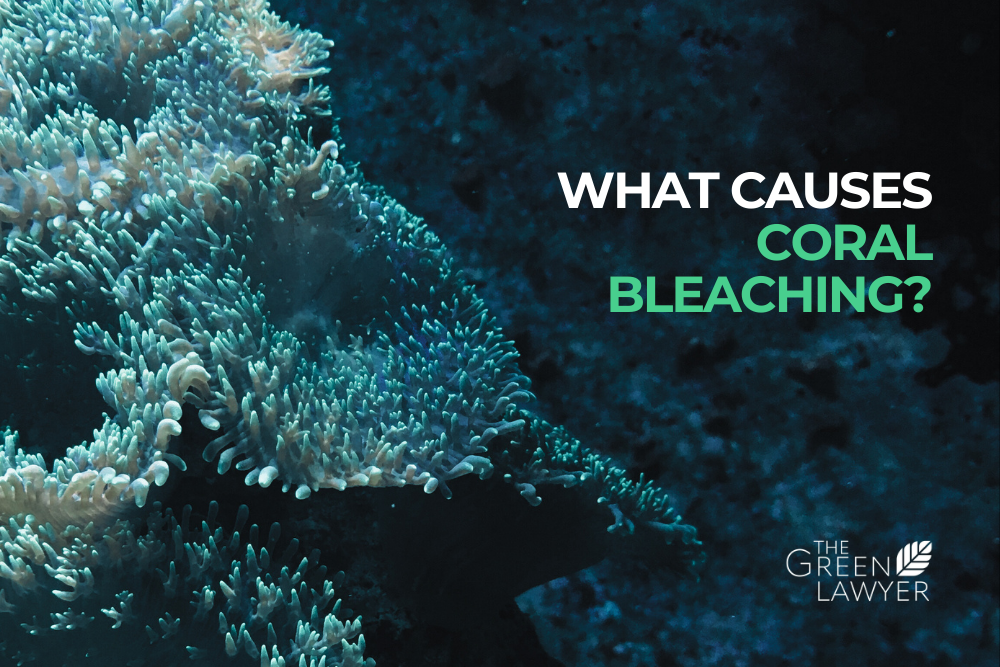
🪸 What is Coral Bleaching?
- Coral bleaching takes place when reefs lose the little organisms that give them colour.
- For example, when a reef becomes stressed during a marine heatwave, the coral will expel the colourful algae which lives in their tissue, leaving them as white calcium-carbonate husks.
- A prominent figure in the marine biology world, Mads Ocean, reframed this process, suggesting we should think of the corals as starving when this bleaching takes place.
- This loss of colourful algae is actually the coral losing its food source, as the algae produces energy for the coral via photosynthesis.
The main takeaway about Coral Bleaching
- Our collective contributions to climate change are creating environments which mean coral reefs are physically unable to keep their food source.
- It’s certainly interesting to think of coral as starving, as it shifts the dynamic from bleaching being what initially sounds like an aesthetic change, to a more active and uncomfortable impact, namely, starvation.
- It’s important that we don’t shy away from a more bleak reframing, as there are things we can do to help!
🪸 Coral bleaching is a warning
- Bleaching highlights the impact from polluted water, disease, overfishing and increased water temperatures.
- As the Coral Reef Alliance states, ‘Coral Bleaching is the ocean’s cry for help…the reef is under stress and we can’t survive without coral reefs.’
- It’s easy to read a statement of gravitas like that and not necessarily be swayed into movement. If this is the case, ask yourself why? Do you live far from the reef so the problem doesn’t feel tangible, or perhaps there’s alternative climate concerns on your mind?
🪸What can you do today:
- Educate yourself using the informative toolkit produced by the ICRI
- Do you have an upcoming swim in the sea, near a reef? Make the swap to reef safe suncream!
- Become a daily advocate for sustainable choices.
Information Source: The ICRI